The island’s natural story begins with contradiction. Thin soil, salty wind, limited freshwater and exposed slopes make cultivation difficult. Yet people carried soil to Alcatraz, built retaining walls and planted protected terraces. After formal gardens were abandoned, some species survived without irrigation for decades and became evidence of adaptation.
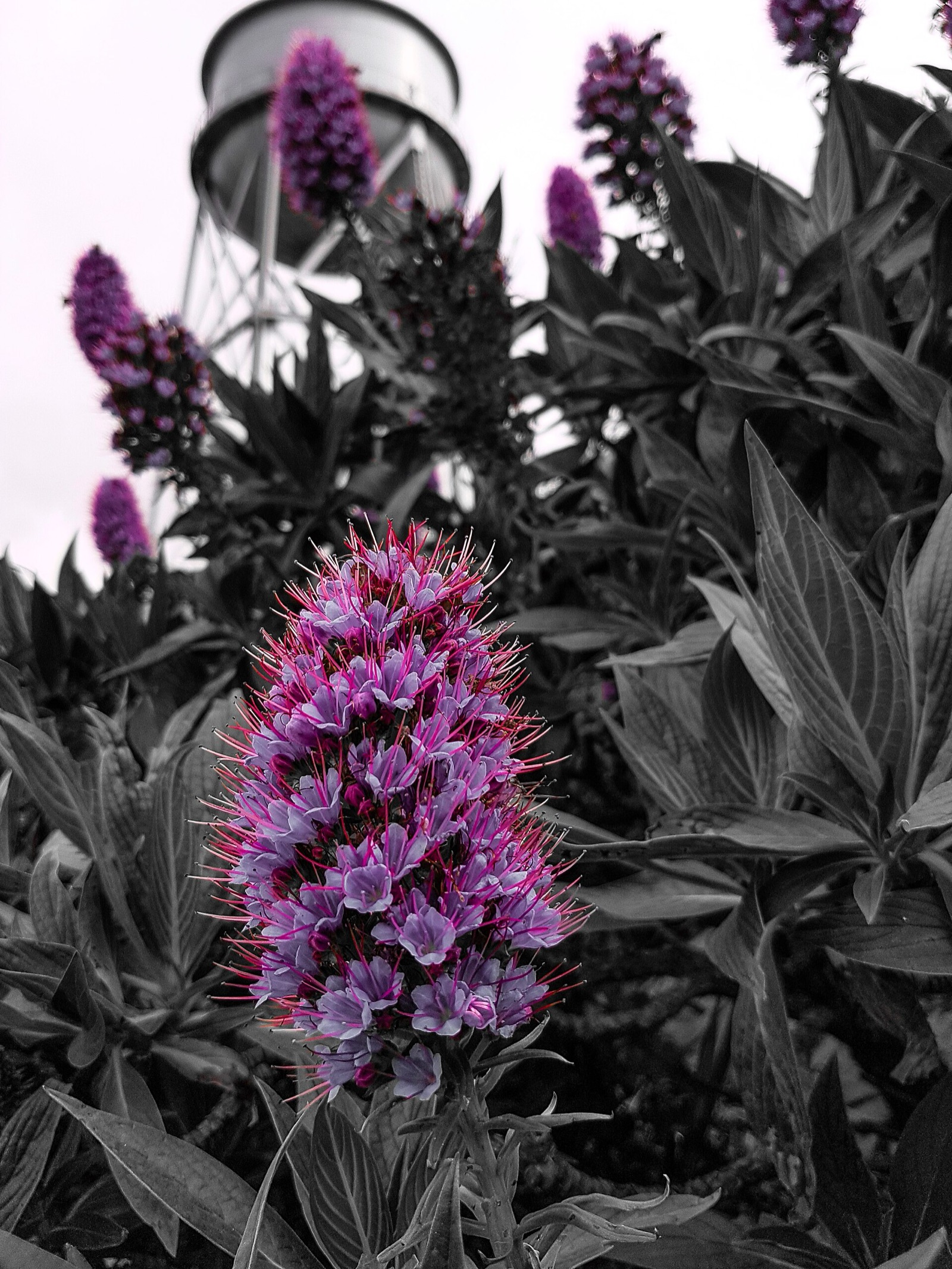
The gardens were made, not discovered
Military personnel and families planted gardens around residences and work areas. During the federal penitentiary period, staff families and selected incarcerated workers cultivated ornamental beds. Gardens offered beauty, activity and a sense of home in a landscape dominated by concrete and regulation.
This history should not be romanticized into a universal refuge. Access and experience differed sharply between the people living and imprisoned on the island. A flower bed can show care and skill while existing inside an unequal institution.
Abandonment became a plant trial
After the prison closed, regular maintenance stopped. Irrigation declined, structures burned or decayed and many plants disappeared. Others persisted through fog moisture, winter rain, deep roots and tolerance for wind. Survivors helped restoration teams understand which historic varieties fit the island’s demanding conditions.
Restoration has involved archival research, archaeology, plant propagation, volunteer labor and coordination among the National Park Service and partner organizations. The result is not a generic modern garden. It aims to interpret layers of island life while using resilient plants and responsible water practices.
Birds redraw the map every season
Alcatraz provides nesting and roosting habitat for several waterbird and seabird species. Western gulls are among the most visible, while cormorants, pigeon guillemots, herons and egrets can also be part of the island’s seasonal bird life. Species presence and nesting intensity vary.
Temporary closures protect nests and reduce disturbance. A path shown in an older guide may be closed on the day of the visit. This is not a missing attraction; it is active resource protection. Use open overlooks and follow current NPS signs.
Read behavior before moving closer
A bird calling repeatedly, changing posture, leaving a nest area or directing attention toward a visitor may be signaling stress. Increase distance. Never step off an open path for a photograph, surround a bird with a group or use food to change its behavior. Telephoto framing is better than physical approach.
A wildlife photograph is not worth making if the animal had to abandon its normal behavior for the frame.
Do not feed the island
Feeding gulls changes behavior, concentrates birds around people and can create aggressive competition. Food scraps attract wildlife and become litter. Follow the current island rules for eating areas and waste. Carry out what staff direct visitors to carry out, and keep bags closed.
Gardens need the same restraint. Do not pick flowers, collect seeds or take fallen historic material. Even a small object can be an archaeological resource, habitat or part of a restoration record.
Fog is an ecological input
Fog is more than a missing skyline. It changes light, deposits moisture and moderates temperature. Wind shapes plant form and limits where taller growth can persist. Salt spray favors tolerant species. The bay’s conditions are active forces in every garden bed and nesting ledge.
Four lenses for a short outdoor loop
| Lens | Look for | Leave alone |
|---|---|---|
| Garden history | Terraces, walls, historic plant patterns | Flowers, seeds and labels |
| Adaptation | Low growth, wind shaping, sheltered pockets | Soil and plant material |
| Bird habitat | Nests, flight routes, open-water feeding | Closed paths and nesting ledges |
| Ruins | Plants occupying cracks and edges | Masonry and archaeological fragments |
A responsible field checklist
- Read current wildlife and route closures after landing.
- Keep to open paths and overlooks.
- Use camera zoom instead of approaching a nest.
- Never feed gulls or leave food scraps.
- Leave flowers, stones and structural fragments where they are.
- Let fog and seasonal change alter the plan.